
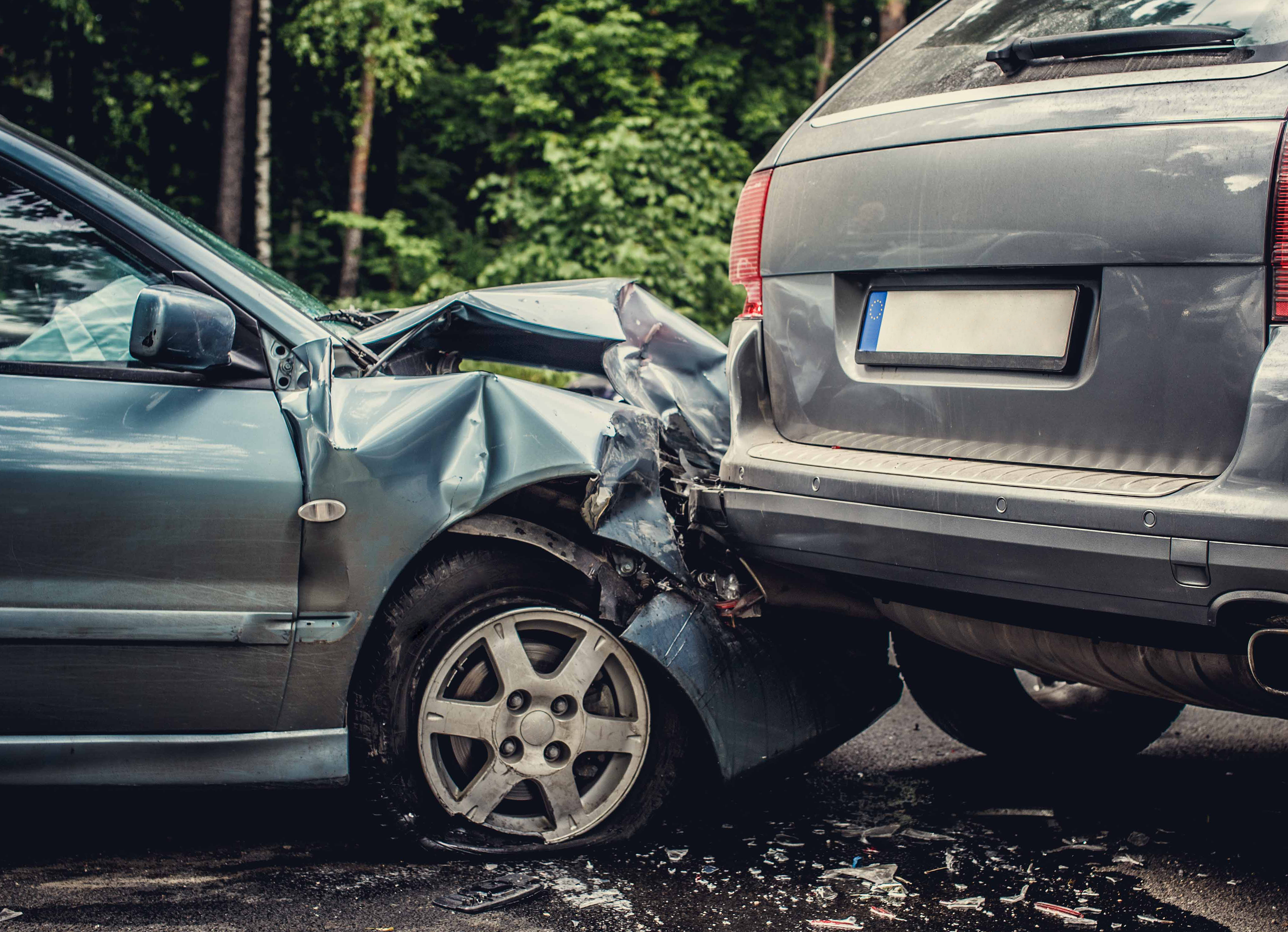
What to Do After an Accident with an Uninsured Driver
Getting into a car accident is stressful enough, but the situation becomes even more overwhelming when the other driver doesn’t have insurance. Even though most states require drivers to carry liability coverage, many people still get behind the wheel without it. When that happens, recovering money for medical treatment, time away from work, and vehicle repairs can become more complicated — but not impossible.
Immediate Steps to Take After the Accident
If you're ever in a collision involving an uninsured driver, your first priorities should be safety and documentation. Check to see whether anyone is hurt and call law enforcement right away so an official accident report can be created. This report becomes a critical piece of evidence for both insurance claims and any legal action you may pursue.
Be sure to collect as much information as you can while at the scene. Write down the other driver’s contact details, gather vehicle information, and take photos of the damage and surrounding area. These details provide essential support for your claim later on. Once you’ve left the scene, notify your insurance carrier promptly. Because most states use an at-fault system — meaning the driver responsible for the crash must compensate the other party — the outcome will depend heavily on who is legally considered at fault.
How Your Insurance May Help
If the uninsured driver caused the accident, your own auto insurance may still offer protection. Many drivers have uninsured or underinsured motorist coverage, which is specifically designed for situations where the other driver lacks insurance. This type of coverage may pay for medical treatment, lost wages, and sometimes even vehicle repairs.
Additional coverages can also help reduce your financial burden. Collision coverage, for instance, can help pay for damage to your vehicle regardless of who caused the crash. Personal injury protection (PIP), available in certain states, can help cover medical expenses no matter who is at fault. However, without these optional protections, the amount you can recover through your policy may be more limited.
Considering Legal Action
There are situations where taking legal action against the uninsured driver becomes an option. Filing a lawsuit may allow you to seek reimbursement for medical bills, repair costs, and even non-economic damages like pain and suffering. However, this path is only beneficial if the other driver has the income or assets necessary to pay a settlement or judgment.
Before pursuing a lawsuit, it’s wise to consult with a car accident attorney. An attorney can help you understand your likelihood of recovery, what evidence you’ll need, and how to properly document your damages. They can also walk you through the legal process so you know what to expect.
Hit-and-Run Accidents
Collisions where the at-fault driver leaves the scene are handled similarly to accidents involving uninsured drivers. Because the person responsible cannot be identified, uninsured motorist coverage typically becomes the primary source of compensation. As with any crash, filing a police report right away and informing your insurance company quickly will strengthen your claim.
Why Getting Professional Help Matters
Dealing with an uninsured driver can leave you feeling overwhelmed, especially when unexpected medical bills or repair costs start adding up. Working with an experienced attorney can help make the process more manageable. They can help negotiate with your insurer, clarify what your policy does and doesn’t cover, and make sure your rights are protected throughout the claim.
While an accident involving an uninsured driver can certainly complicate things, knowing which steps to take can make a big difference. Acting quickly, gathering thorough evidence, and understanding your coverage options are all key to reducing financial strain and securing the compensation you need.